
What Happened to Having a Dream?
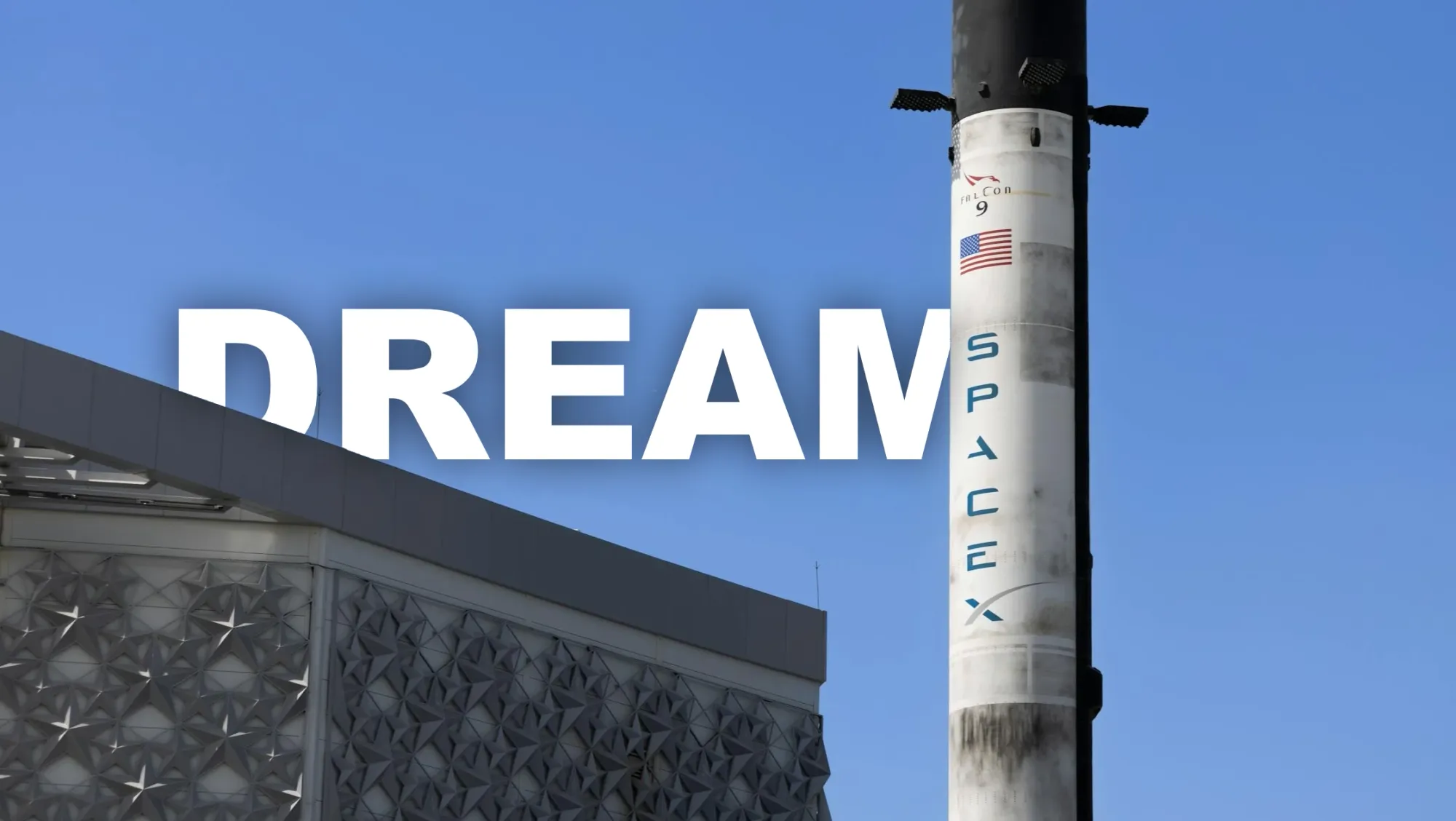
We Used to Believe in Something
There was a time when every kid wanted to be something—an astronaut, a filmmaker, a chef, a novelist. Dreams weren’t just accepted, they were expected. The question “What do you want to be when you grow up?” wasn’t small talk. It was the start of something. Somewhere between growing up and growing tired, that disappeared.
Now, ask someone what they want out of life and you’ll get a shrug. An “I don’t know.” Or worse—“Whatever pays the bills.”
The Death of Ambition Starts Early
It’s not that people don’t care. It’s that they’ve been told not to. School systems prioritize grades over curiosity. Parents often push stability over passion. Society tells us to “be realistic,” like dreams are dangerous if they’re not attached to a paycheck. By the time we hit adulthood, dreaming starts to feel like a waste of time.
So we stop.
A Life Without a Dream Is Just Survival
This isn’t about unrealistic fantasies. It’s about direction. Without a dream—something personal and meaningful to chase—life turns into a loop: wake up, scroll, work, eat, sleep. There’s nothing wrong with living simply. But when you strip life of purpose, even peace starts to feel like numbness.
A dream gives life momentum. Even if you never fully reach it, it makes you move.
Social Media Made It Worse
It’s hard to dream when everything feels like a competition. On social media, people flaunt “perfect” lives built on luck, filters, or unsustainable hustle. When everyone else looks like they’re winning, your own dreams can start to feel small—pointless even. So instead of pursuing something meaningful, you give up before you begin.
The World Doesn’t Want You to Dream
There’s a reason the world prefers people without ambition. You’re easier to sell to, easier to manage, easier to control. Dreamers ask questions. They challenge systems. They take risks. And that’s a problem for anyone trying to maintain the status quo.
But that doesn’t mean they’re wrong.
You Still Need One
You don’t need a million followers or a Forbes feature to justify a dream. It can be small. Quiet. Personal. Wanting to make art, help others, build a business, live off the grid, write a novel—those are all valid. The size of the dream doesn’t matter. The existence of it does.
Because even the most modest dream is better than living life in neutral.
So... What’s Yours?
If you’ve gone years without asking yourself what you want—ask now. Not what your parents want. Not what your friends expect. You. If the answer isn’t clear, that’s fine. It’s a start. That’s what a dream is anyway—something to grow into.
Forsova Software Solutions