
AI and the Future of Programming: A Tool or a Replacement?
AI is reshaping software development, but does that mean programming is at risk? Not quite. While AI-powered tools are becoming more capable, they are not yet reliable enough to replace human developers. Instead, AI is transforming the way programmers work—making coding faster, more efficient, and more strategic.
Coding with AI: A Powerful Assistant, Not a Solo Act
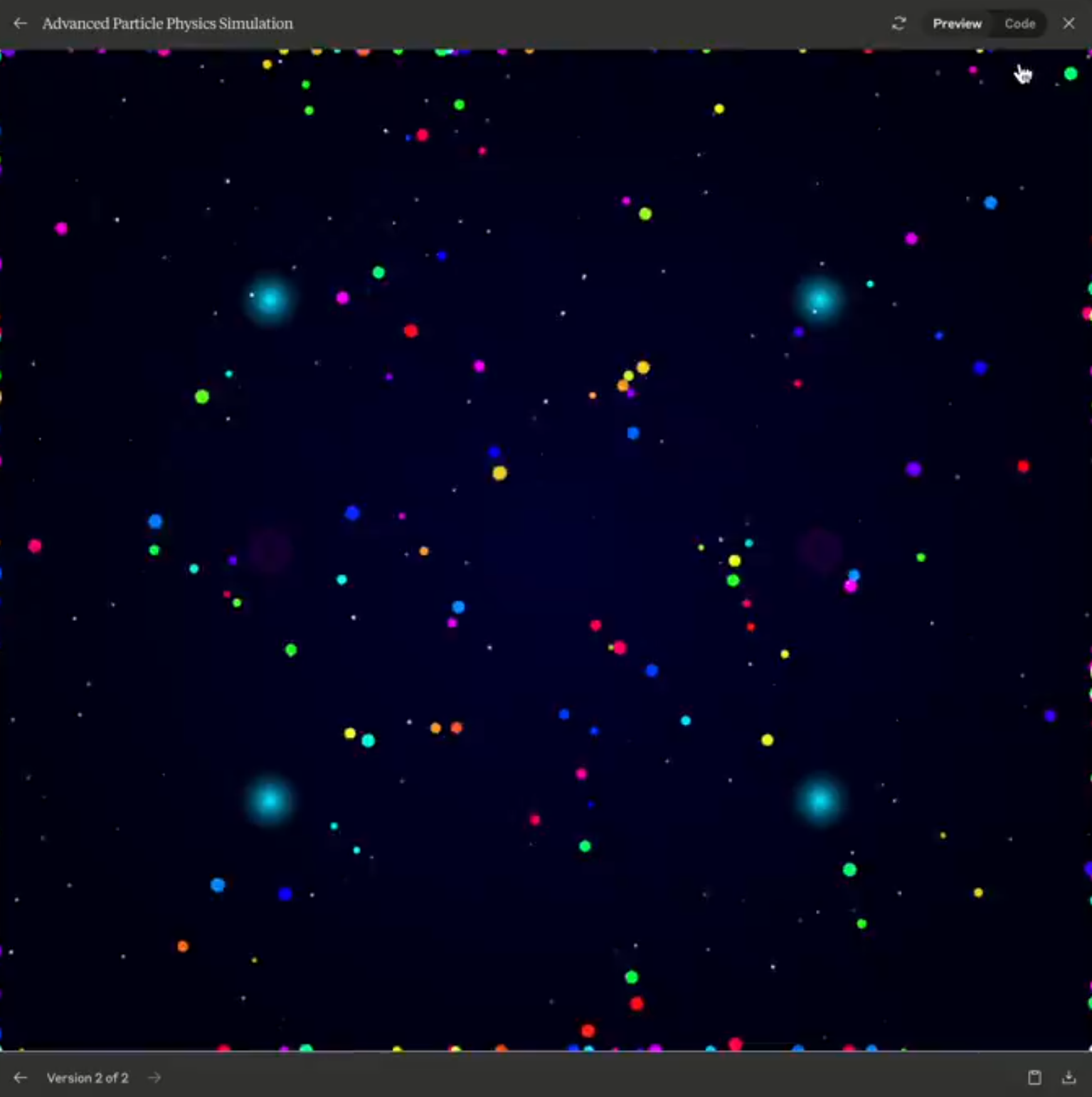
AI models like Claude 3.5, OpenAI’s advancements, and AI-powered IDEs are making it easier than ever to generate code, automate debugging, and even create complex simulations. For example, you could ask an AI to build a particle system with gravitational interactions, and it would generate hundreds of lines of structured, optimized code in minutes.
However, raw code generation is not the same as building reliable, scalable software. AI lacks the ability to deeply understand business requirements, security considerations, and long-term maintainability—things that experienced developers excel at.
Why AI Still Needs Human Developers
For all its advancements, AI still has one major limitation: it doesn’t understand code the way humans do. It predicts patterns, generates solutions, and optimizes workflows, but it doesn’t think. If something goes wrong, it can’t reason through the problem like a human developer can.
More importantly, AI models need training, oversight, and constant refinement. The very tools that promise to automate programming are built, maintained, and improved by programmers. While AI can generate impressive results, it still requires human judgment to make sense of them—whether that’s identifying security vulnerabilities, making architectural decisions, or ensuring ethical AI development.
At Forsova, we embrace AI-powered tools to enhance development speed and efficiency—while ensuring human expertise guides every step of the process.
For the foreseeable future, AI isn’t eliminating programmers; it’s changing the way they do their job. Instead of focusing on syntax and debugging, developers will spend more time directing AI, solving higher-level problems, and making sure the software does what it’s supposed to.
The Programmer's New Dilemma
So does this mean human programmers are done for? Not exactly. Honestly, I believe the real competition isn’t between humans and AI; it’s programmers versus programmers, fighting to see who can wield AI more effectively.
The future won’t be about raw coding ability. It will be about strategy, workflow efficiency, and knowing how to push AI tools to their absolute limits. Those who can master this shift will thrive. Those who don't might find themselves falling behind.
The question is no longer if AI will change programming. It already has. The real question is: who will adapt, and who will be left behind?