
iPhone 16e: The Deceit behind the E
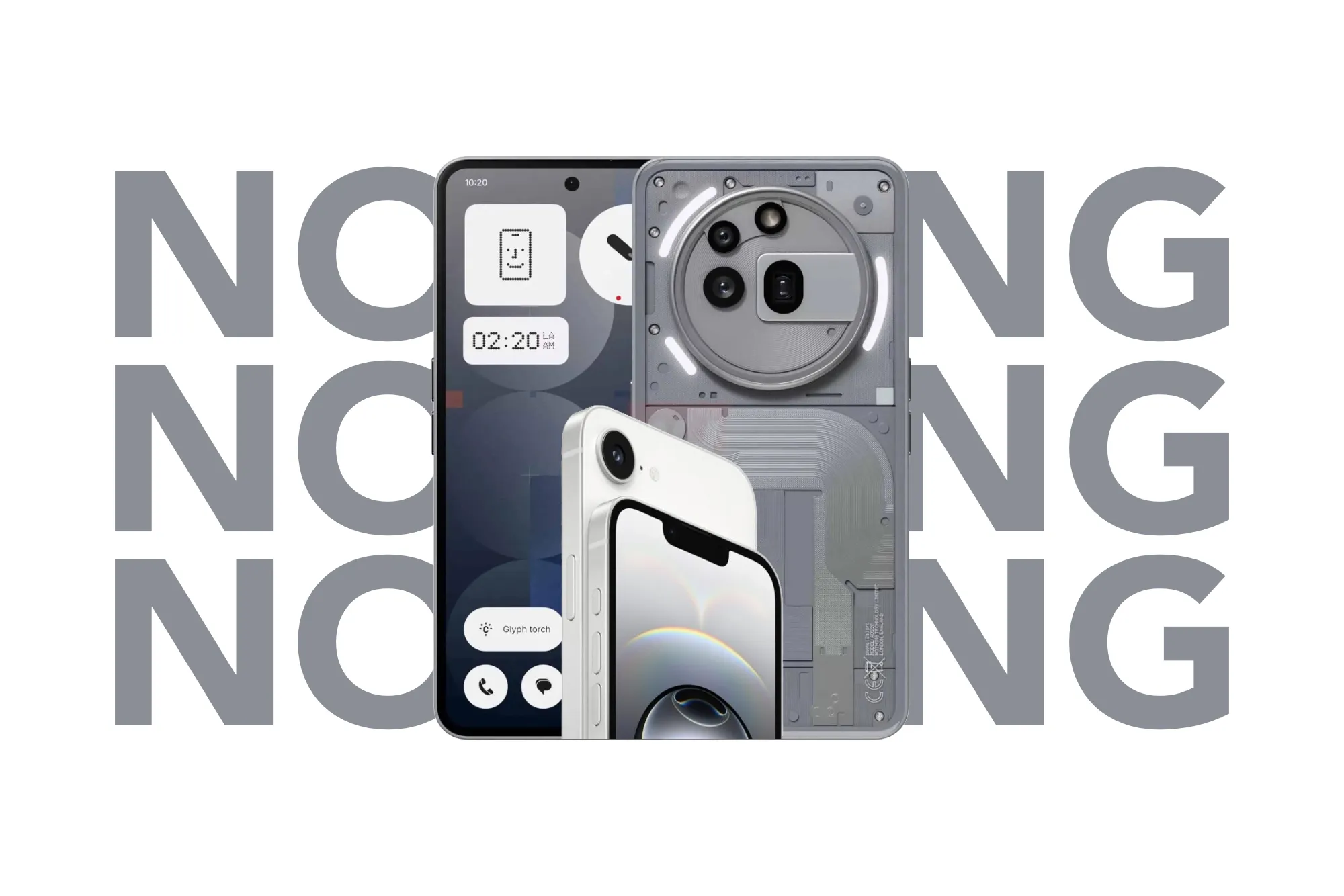
For years, Apple has thrived on its brand power, locking customers into its ecosystem with seamless integration and premium hardware. But recently, something's changed. While iPhones still dominate in the high-end market, Apple is slowly losing ground where it matters most—budget-friendly devices. Brands like Samsung, Xiaomi, and Nothing have been eating away at Apple’s potential market share by offering phones that are actually affordable without feeling outdated. This is disastrous for Apple, as the iPhone accounts to almost 50% of their entire revenue. Apple's entire ecosystem rests on the iPhone, which makes losing market share increasingly more dangerous.
Apple’s answer? The iPhone 16e. Supposedly a more accessible iPhone. Supposedly.
"Affordability"
Apple knows its strategy of selling phones based on brand image is not going to work forever. You need to appeal to the wider market: the budget phone. Apple did this with the iPhone SE, which worked for a short while but then slowly fell apart. Most of that was due to the EU enforcing laws that compelled Apple to drop the now ancient SE. Apple needs to offer something that is accessible to most people.
Apple loves to sell the idea that it’s giving consumers a "cheaper" option, but history tells a different story. The iPhone SE, for example, was never truly a budget phone—it was spare parts from an old iPhone with a fresh coat of paint and a price tag that didn’t quite justify the compromises. Now, with the iPhone 16e, Apple is trying the same trick again.
Sure, it’s cheaper than a standard iPhone 16. But compared to actual budget-friendly devices, like the upcoming Nothing Phone (3A), it’s still way overpriced. You’re paying more for the Apple name, not necessarily a better experience. Meanwhile, Nothing is bringing a fresh design, a near-stock Android experience, and a price point that doesn’t feel like a slap in the face.
Apple Has Nothing to Worry about
Both the iPhone 16E and Nothing Phone (3A) are set to target the same audience—people who want a good smartphone without dropping a fortune. But while Apple dominates as the industry giant, Nothing is the scrappy challenger unafraid to disrupt the status quo.
The Phone (3A) isn’t just another budget phone; it’s a statement. Built with the same design philosophy that made its flagship devices stand out, it brings Nothing’s signature transparent aesthetic, clean software, and a price that actually feels fair. In contrast, Apple sticks to its usual strategy: cut costs where you can, charge as much as possible, and make sure you still feel like you need to upgrade soon. Thus, the iPhone 16e isn’t really revolutionary. It’s just another reminder that Apple will never truly compete in the budget space. Meanwhile, Nothing is proving that you don’t have to compromise on design, features, or price. So when these two phones hit the market, the real question isn’t which one is better—it’s which one actually respects the consumer.
The iPhone 16e isn’t revolutionary. It’s just another reminder that Apple will never truly compete in the budget space because it doesn’t have to. Apple’s entire business model is built on exclusivity, ecosystem lock-in, and high profit margins. A truly affordable iPhone would be Apple pretty much undercutting itself, and that’s the last thing Apple wants. Instead, it offers so-called “cheaper” options that exist solely to pull you deeper into its ecosystem, yet they’re still priced higher than most competitors and rely on brand loyalty to justify the cost.
Meanwhile, Nothing is proving that you don’t have to compromise on design, features, or price. Unlike Apple, Nothing isn’t protecting a billion-dollar ecosystem—it’s simply making good phones at honest prices.
So when these two devices hit the market, the real question isn’t which one is better—it’s which one actually respects the consumer’s wallet.